Valentina Donison RN, MN, PhD
Doctor of Philosophy in Nursing · University of Toronto · 2026

Advancing knowledge.
Elevating healthcare.

Dr. Valentina Donison, RN, MN, PhD

#4in the world for Nursing · Lawrence S. Bloomberg Faculty of Nursing · QS 2026

A nurse scientist whose doctoral research at the Lawrence S. Bloomberg Faculty of Nursing examines the care that older adults provide to a spouse undergoing cancer treatment — and what that care costs, and gives, the caregivers themselves.

Research interests — geriatric oncology · older spousal caregivers · caregiver burden and quality of life · mixed-methods research · supportive cancer care

Read biography Explore research
Portrait of Dr. Valentina Donison
Valentina Donison, RN, MN, PhD
Doctorate · Defended June 23, 2026 PhD in Nursing, University of Toronto
Graduate degree Master of Nursing, Ryerson University · 2018
Clinical Registered Nurse · BScN, 2015
Scholarship Peer-reviewed publications in geriatric oncology
QS World University Rankings by Subject 2026 In the world for Nursing

A doctorate from one of the world’s foremost schools of nursing

Valentina earned her PhD at the Lawrence S. Bloomberg Faculty of Nursing, University of Toronto — ranked fourth in the world for nursing in the QS World University Rankings by Subject 2026, and the highest-ranked nursing faculty in Canada.

#1in Canada for Nursing
#1in Canada in every broad subject field
#12in the world for Life Sciences & Medicine

Source: QS World University Rankings by Subject 2026, as reported by the University of Toronto, 31 March 2026.

The glass oculus and gilded arches of the dome of Convocation Hall, University of Toronto
The dome of Convocation Hall, University of Toronto
Her institution · Est. 1827

University of Toronto

Canada’s leading university, and one of the world’s great centres of medical research and scientific discovery.

It was at the University of Toronto that insulin was discovered in 1921–22, and where, in the early 1960s, James Till and Ernest McCulloch demonstrated the existence of stem cells — discoveries that transformed modern medicine. In the QS World University Rankings by Subject 2026, the university ranked first in Canada in every broad subject field and twelfth in the world for life sciences and medicine.

At its Lawrence S. Bloomberg Faculty of Nursing — fourth in the world for nursing — Valentina earned her PhD, defending her thesis on June 23, 2026.

1827Founded by royal charter
1921–22Discovery of insulin
1961Stem cells demonstrated by Till and McCulloch
#4Lawrence S. Bloomberg Faculty of Nursing, worldwide (QS 2026)
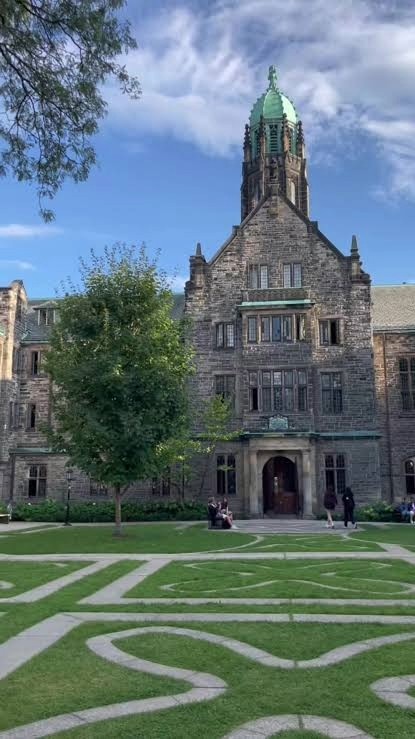
A historic stone building at the University of Toronto, with a copper-green tower above a quadrangle lawn
University of Toronto
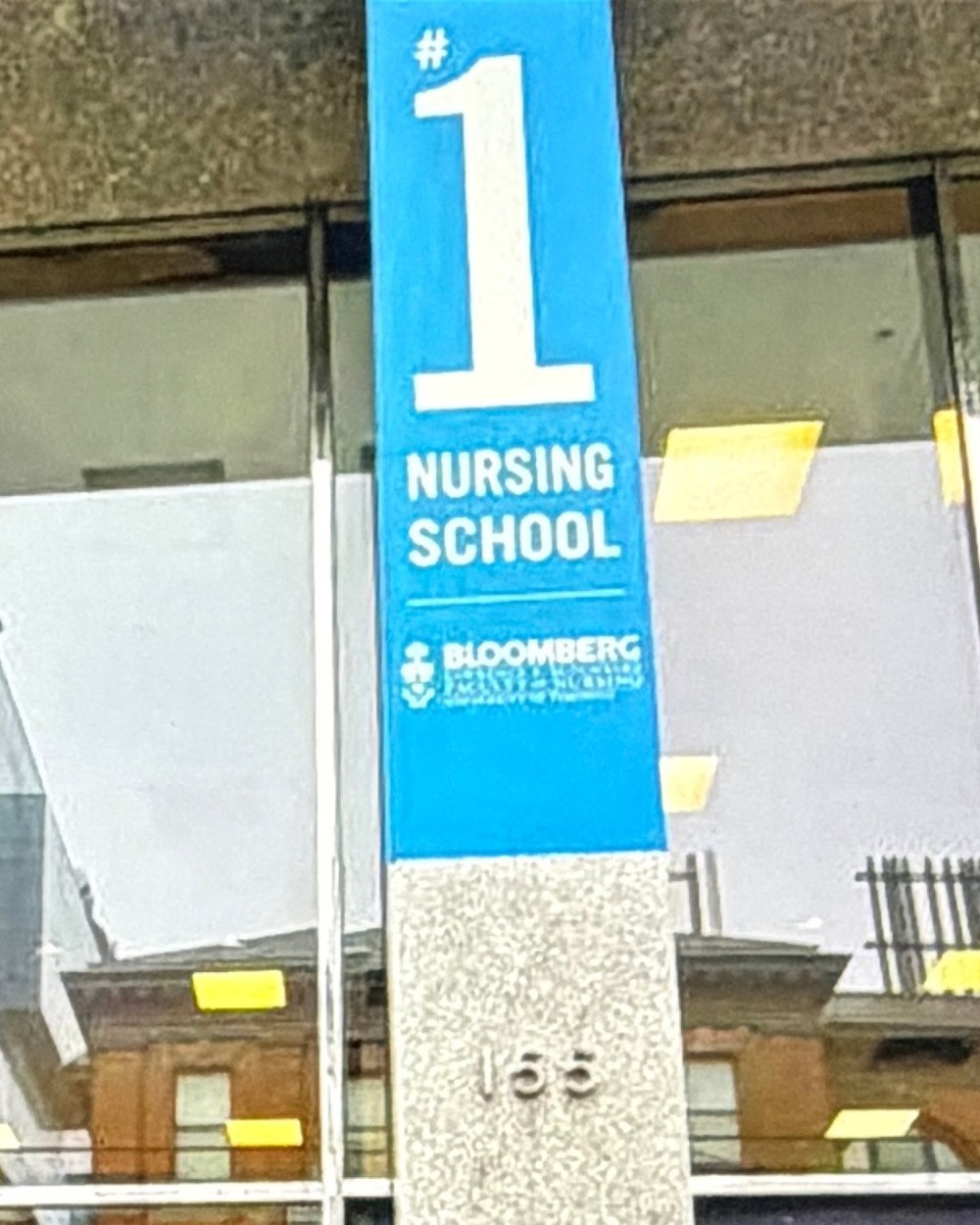
Banner reading #1 Nursing School on the facade of the Lawrence S. Bloomberg Faculty of Nursing at 155 College Street
Lawrence S. Bloomberg Faculty of Nursing, 155 College Street
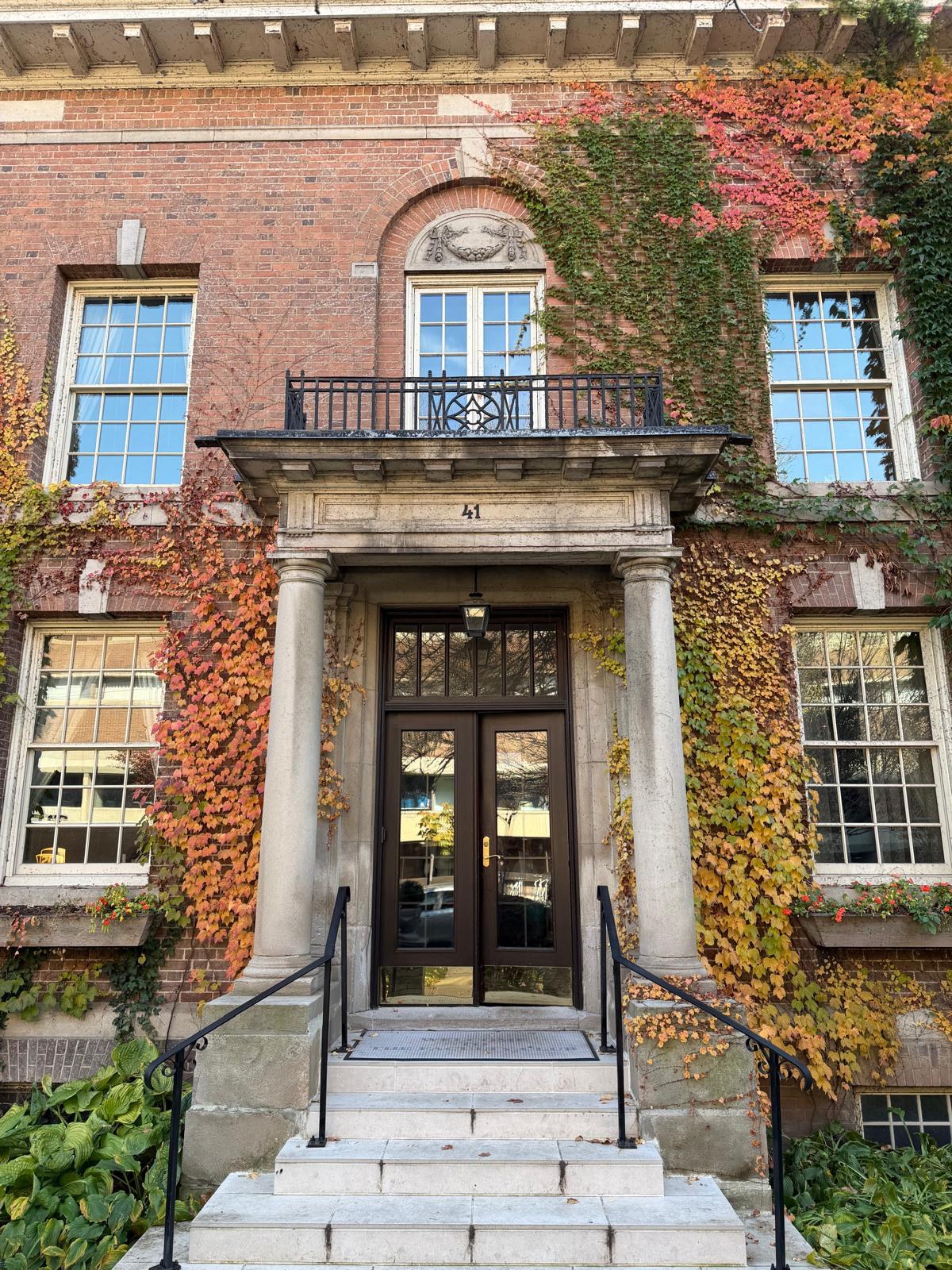
A historic red-brick University of Toronto building with a columned stone entrance, framed by autumn ivy in red, orange and gold
Autumn on campus, University of Toronto
Biography

A scholar of the people beside the patient

Valentina Donison, RN, MN, PhD, is a nurse scientist who successfully defended her doctoral thesis at the Lawrence S. Bloomberg Faculty of Nursing, University of Toronto, on June 23, 2026. Her research addresses an under-examined population in cancer care: older adults who serve as the primary caregiver for a spouse in active cancer treatment.

Her academic path was built deliberately and in stages. She returned to formal education through adult school in North York, Ontario,then entered the Ryerson, Centennial and George Brown Collaborative Nursing Degree Program, beginning at George Brown College and completing her Bachelor of Science in Nursing in 2015. She went on to earn her Master of Nursing from the Yeates School of Graduate Studies at Ryerson University (now Toronto Metropolitan University) in 2018, before entering the doctoral programme at the University of Toronto’s Lawrence S. Bloomberg Faculty of Nursing.

Clinical practice shaped the questions that would define her scholarship. Caring for patients as a Registered Nurse, she observed how much of the work of illness is carried by family members at home — work that is rarely measured and seldom supported. Encouraged by her mentor, Cynthelia (Tia) Moitt, to pursue her studies beyond the undergraduate level, she turned that observation into a programme of research. From 2015 she was active in the Nursing Research Interest Group (NRIG), joining its Executive Board in 2019 as Newsletter Communications Officer, and took part in several research initiatives focused on older adults.

Her doctoral work, supervised by Dr. Martine Puts, a leading scholar in geriatric oncology, combined a scoping review of the international literature with an original convergent parallel mixed-methods study. Conducted at USHATO, the University Specialized Hospital for Active Oncology Treatment “Prof. Ivan Chernozemski” in Sofia, Bulgaria, the study surveyed 90 older spousal caregivers and drew on 13 in-depth interviews that she conducted herself. It is among the few studies to examine this population in Eastern Europe.

Her findings show that older spousal caregivers commonly provide full-time, around-the-clock care, report high psychological distress even when they do not describe caregiving as a burden, and rarely ask for help. The work makes a direct case for routine caregiver screening in oncology settings and for recognising emotional care as a legitimate form of care. She has published her research in Supportive Care in Cancer and the Journal of Geriatric Oncology.


Research philosophy

Measure what caregivers do — and listen to what it means to them.

Her work pairs validated quantitative measures of care, burden, distress and quality of life with in-depth interviews, integrating the two so that the numbers and the lived experience explain one another.

International perspective

Trained in Toronto. Research conducted in Sofia.

Her doctoral fieldwork took place over more than a year within one of Bulgaria’s foremost oncology centres, extending caregiver research to a region where it has rarely been undertaken.

Supervisory committee
  • Dr. Martine PutsSupervisor
  • Dr. Shabbir AlibhaiCommittee member
  • Dr. Kathy McGiltonCommittee member
  • Dr. Assia KonsoulovaCommittee member
Academic Journey

From adult school to a doctorate in nursing

Seven milestones, each built on the last. The sequence is a record of sustained discipline — and evidence that where one begins does not determine how far one can go.

  1. 01North York, Ontario

    Adult education

    The decision to begin

    Her academic journey began with a deliberate return to the classroom through adult school — a decision about the future she intended to build, pursued one class and one evening at a time.

  2. 02Toronto

    George Brown College

    The commitment · Collaborative Nursing Degree Program

    She began her nursing education at George Brown College, a partner in the Ryerson, Centennial and George Brown Collaborative Nursing Degree Program — building the knowledge, confidence and habits of focus that would carry her through every stage that followed.

  3. 032015 · Toronto

    Bachelor of Science in Nursing

    Ryerson, Centennial and George Brown Collaborative Nursing Degree Program

    In 2015 she completed her Bachelor of Science in Nursing and went on to practise as a Registered Nurse. At the bedside she came to see the family members standing beside each patient — and the questions about them that her research would later pursue.

  4. 042018 · Toronto

    Master of Nursing

    Yeates School of Graduate Studies · Ryerson University (now Toronto Metropolitan University)

    Graduate study provided the foundation for advanced scholarship. Encouraged by her mentor, Tia Moitt, to continue beyond her first degree, she earned her Master of Nursing in 2018, deepening her expertise and sharpening the research questions she would carry into doctoral work.

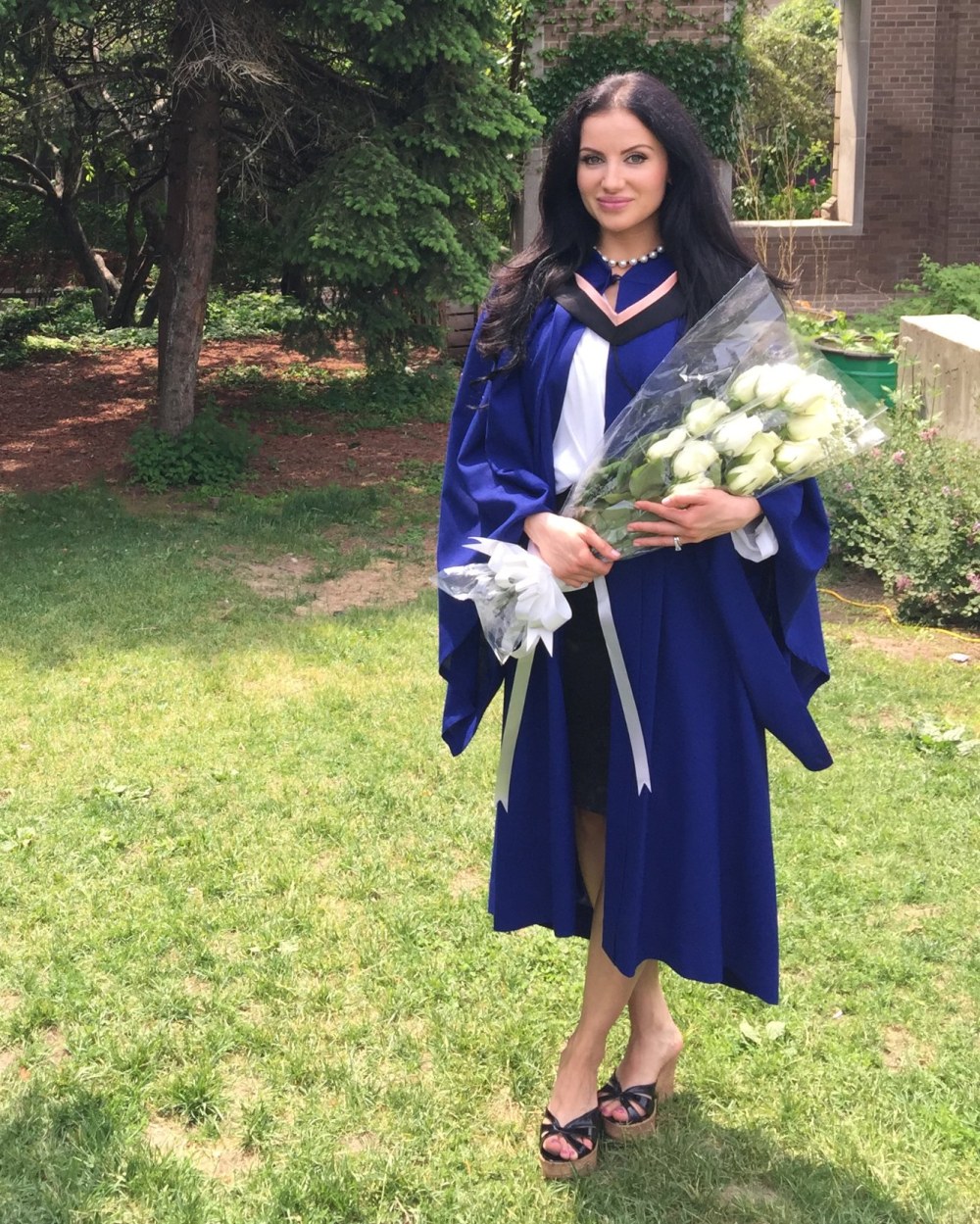
    Valentina in her blue Ryerson University master’s gown and hood, holding white roses on a campus lawn
    Master of Nursing graduation
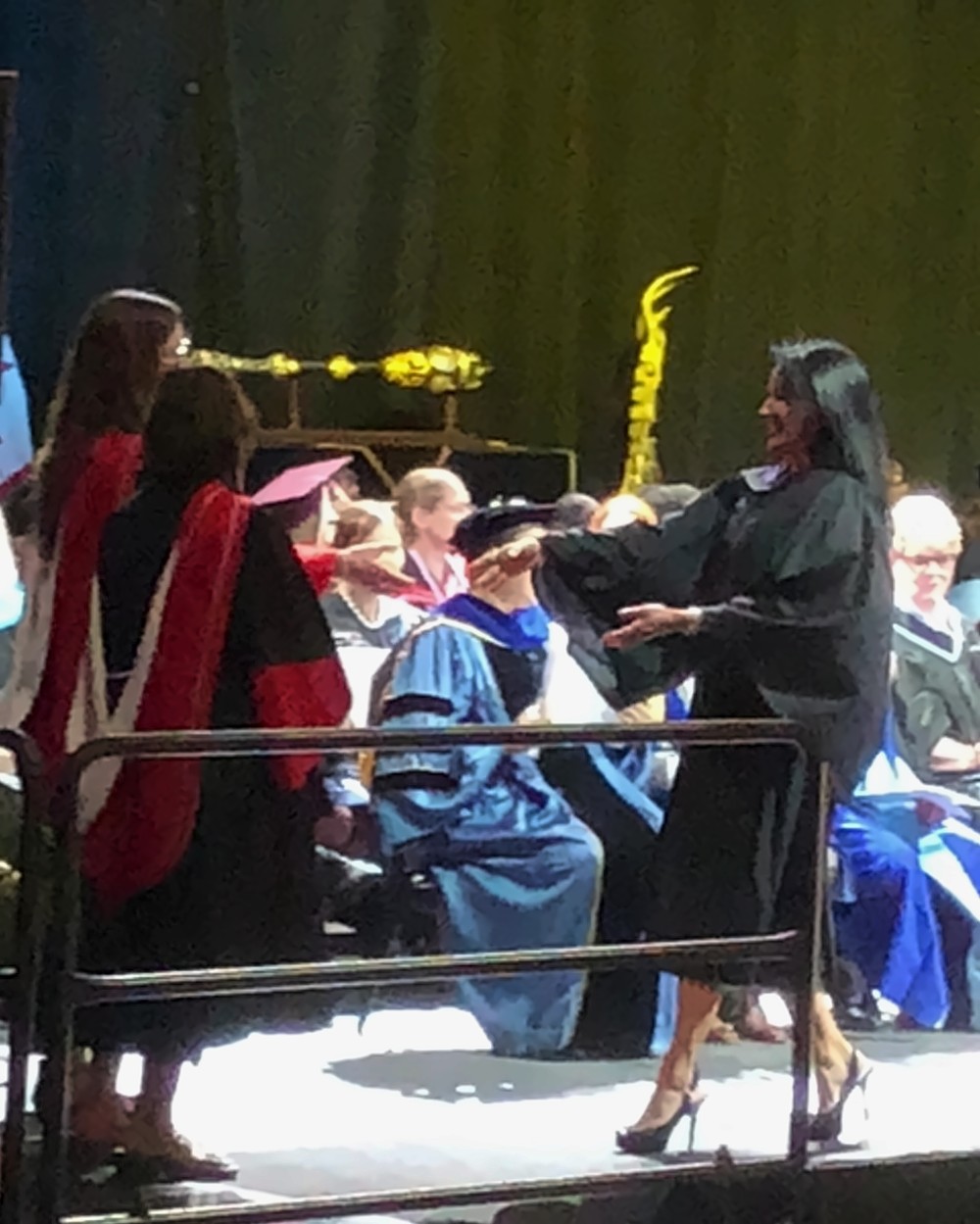
    Valentina crossing the convocation stage in her gown, reaching out to the faculty member conferring her degree
    Crossing the stage at her Master of Nursing convocation
    Master of Nursing convocation: the robed platform party beneath the flags of Canada and its provinces, before a full hall of graduates
    Master of Nursing convocation, Ryerson University
  5. 052015 – 2020

    Research and professional leadership

    Nursing Research Interest Group (NRIG)

    She joined the Nursing Research Interest Group in 2015, the year she completed her nursing degree, and its Executive Board in 2019, serving as Newsletter Communications Officer. In these years she was involved in several research initiatives focused on the older adult population, building toward her goal of doctoral study at the University of Toronto.

  6. 06Toronto · Sofia

    Doctoral studies at the University of Toronto

    Lawrence S. Bloomberg Faculty of Nursing · Supervised by Dr. Martine Puts

    Admission to the PhD programme at one of the world’s leading nursing faculties marked a turning point. She undertook a thesis by publication: a peer-reviewed scoping review followed by an original mixed-methods study, conducted over more than a year at a national oncology hospital in Sofia, Bulgaria. Read about the fieldwork

  7. 07June 23, 2026

    Doctor of Philosophy in Nursing

    Lawrence S. Bloomberg Faculty of Nursing · University of Toronto

    On June 23, 2026, she successfully defended her doctoral thesis before her supervisory committee at a faculty ranked fourth in the world for nursing — the culmination of years of sustained effort, and the beginning of her work as an independent researcher. In her thesis she thanks her parents, Ivanka and Vladimir, her husband Jason and her daughter Valencia — her biggest supporters, who reminded her that she was more than capable of achieving anything she set her mind to.

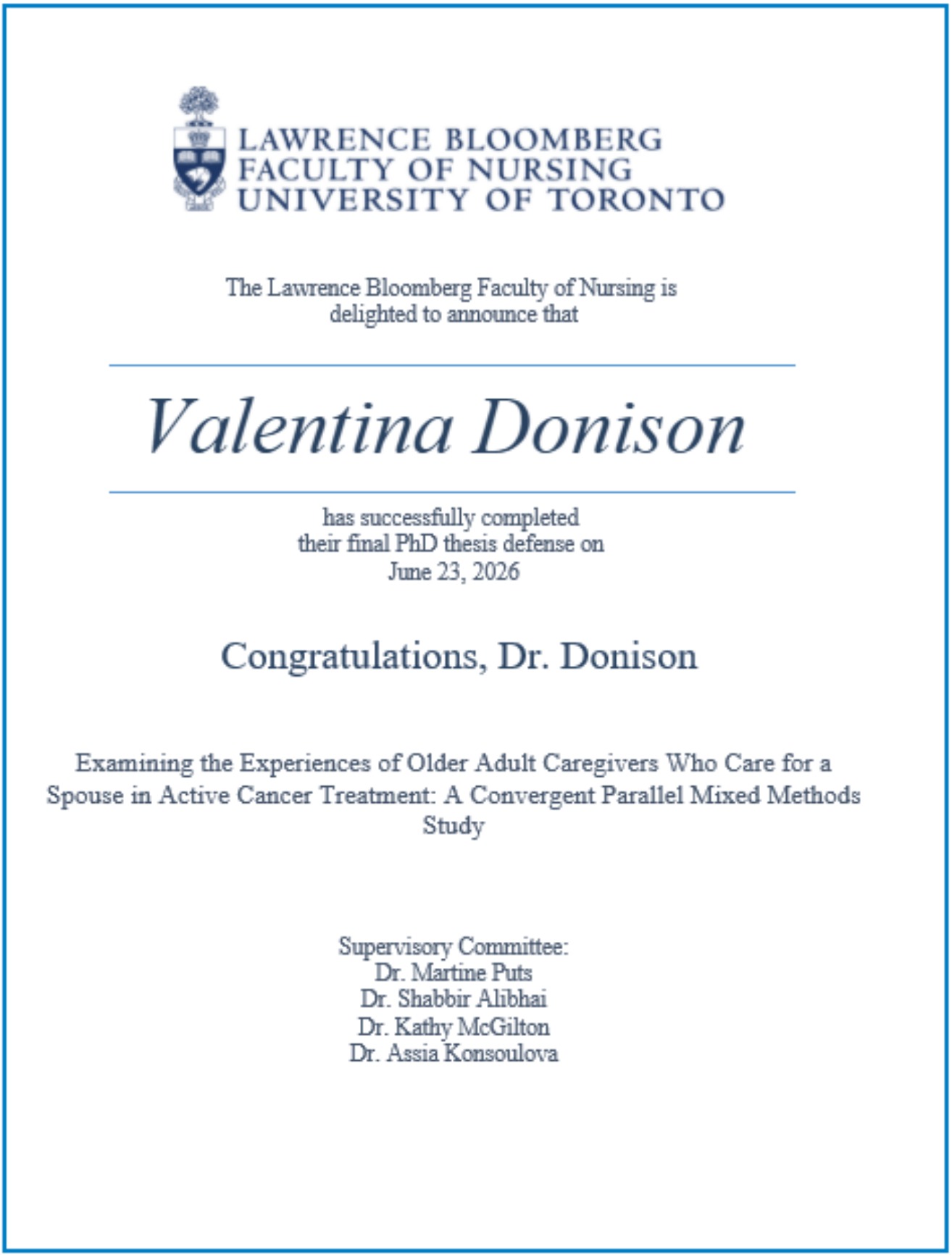
    Announcement from the Lawrence Bloomberg Faculty of Nursing, University of Toronto: Valentina Donison has successfully completed her final PhD thesis defense on June 23, 2026. Congratulations, Dr. Donison.
    Faculty announcement of her successful thesis defense
Research · Doctoral dissertation

Examining the Experiences of Older Adult Caregivers Who Care for a Spouse in Active Cancer Treatment: A Convergent Parallel Mixed Methods Study

Degree · Doctor of Philosophy in Nursing, 2026 Institution · Lawrence S. Bloomberg Faculty of Nursing, University of Toronto Supervisor · Dr. Martine Puts Defended · June 23, 2026 Format · Thesis by publication
I.

The Challenge

In Bulgaria, spouses provide most long-term informal care for older adults with cancer, yet few studies have examined these caregivers in Eastern Europe. Older patients often live with comorbidities and age-related illness that complicate treatment — and may shape the type and amount of care their spouses must provide.

II.

The Approach

A convergent parallel mixed-methods design: a cross-sectional survey of 90 caregivers aged 65 and over, recruited at USHATO, Sofia, from November 2024 to April 2025, and 13 in-depth, face-to-face interviews. Measures included the National Study of Caregiving scales, Zarit Burden Interview, Distress Thermometer, SF-12v2 and the Positive Aspects of Caregiving Scale. Regression analyses and reflexive thematic analysis (Braun & Clarke) were integrated in a joint display.

III.

The Findings

More than 80% of caregivers provided full-time care, a median of eight hours a day, mainly with activities of daily living. Reported burden was relatively low, yet psychological distress was high. Female caregivers and those providing more care reported greater burden and lower mental health; caregivers with higher education were less likely to provide more hours of care. Interviews described around-the-clock personal and emotional support, reluctance to ask for resources, strain on social life — and caregiving as a rewarding experience.

IV.

The Significance

Caring for a spouse in cancer treatment carries real consequences for older caregivers. The work supports routine screening of caregiver time and distress in oncology settings, respite programmes, assessment of emotional as well as practical care, and psychosocial interventions such as dyadic coping and psychoeducation.

90caregivers aged 65+ surveyed
13in-depth interviews conducted by the investigator
80%+provided full-time care in the past month
8 hrsmedian daily caregiving; mean caregiver age 70.3
Research questions
  1. To describe the type and amount of care provided by older adult caregivers to a spouse in active cancer treatment.
  2. How do sociodemographic and health variables of the patient and caregiver influence the care provided?
  3. To examine how caregiving affects the caregiver’s health-related quality of life, psychological distress, burden, supports received and positive experiences of caregiving.
  4. To examine whether caregivers providing more care have higher distress than those providing less.
  5. What are the caregiving experiences of older adults in providing care to a spouse with cancer?
  6. How do the qualitative interview data help explain the quantitative results?
Fieldwork · Sofia, Bulgaria

More than a year inside one of Bulgaria’s foremost cancer hospitals

Her study was conducted at USHATO, the University Specialized Hospital for Active Oncology Treatment “Prof. Ivan Chernozemski”, Sofia.

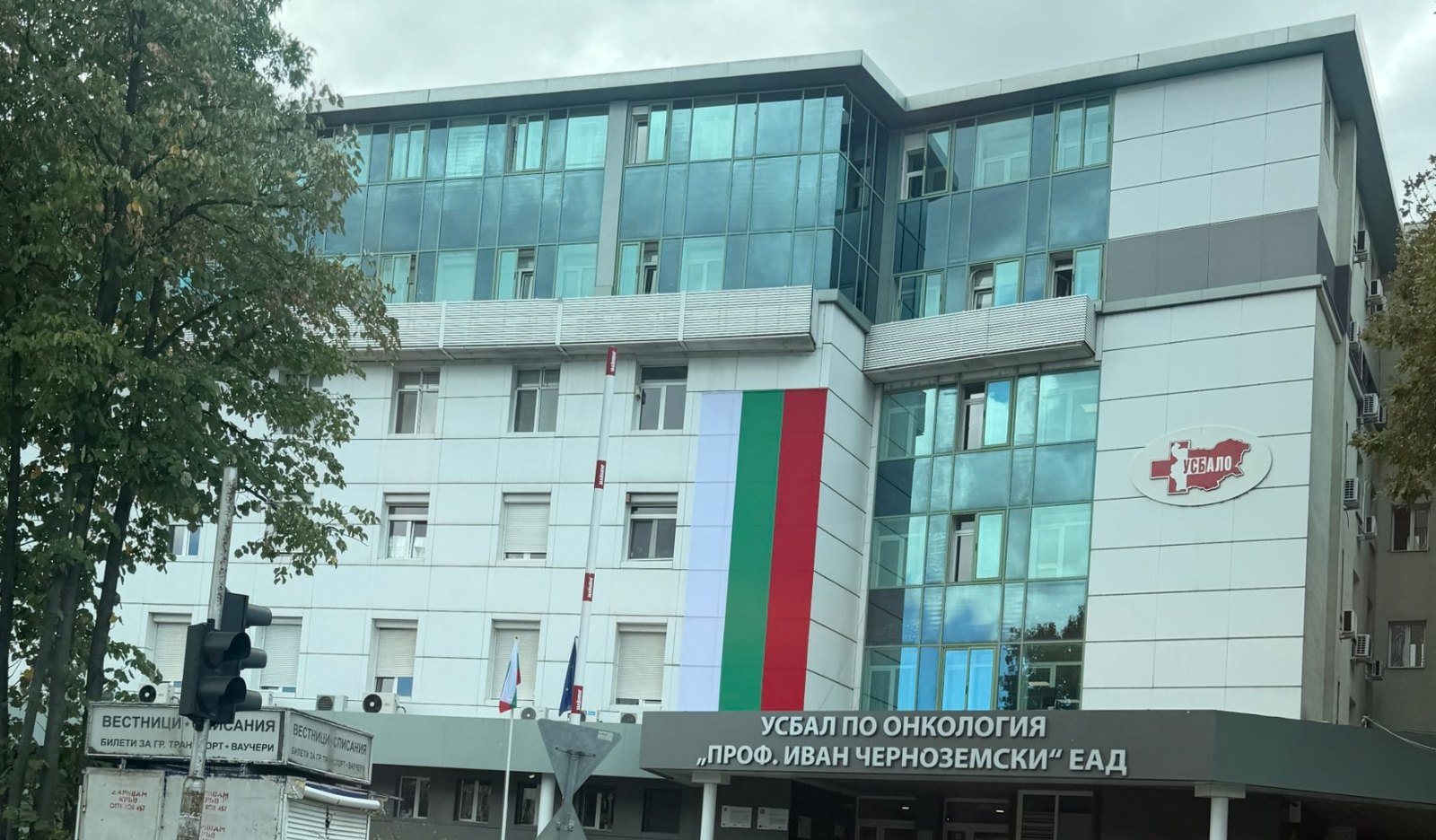
The main building of USHATO in Sofia, with the Bulgarian flag on its facade
USHATO “Prof. Ivan Chernozemski”, Sofia

The fieldwork was the most demanding stage of her doctorate. Far from Toronto, she spent long days in the hospital’s busy outpatient clinics, approaching older husbands and wives as they waited beside a spouse in treatment, explaining the study, earning their trust and listening.

Research within an active cancer hospital is slow and careful work: caregivers are tired, worried and short on time, and each conversation required patience and respect. She returned week after week, for more than a year, until the study was complete. Conducting original research within one of the country’s major oncology centres, and carrying it through to a completed doctorate, stands among the defining achievements of her career.

With gratitude

In her thesis, Valentina thanks the staff at USHATO for granting access, for their friendly welcome into their busy outpatient clinics, and for their interest in and support of the study.

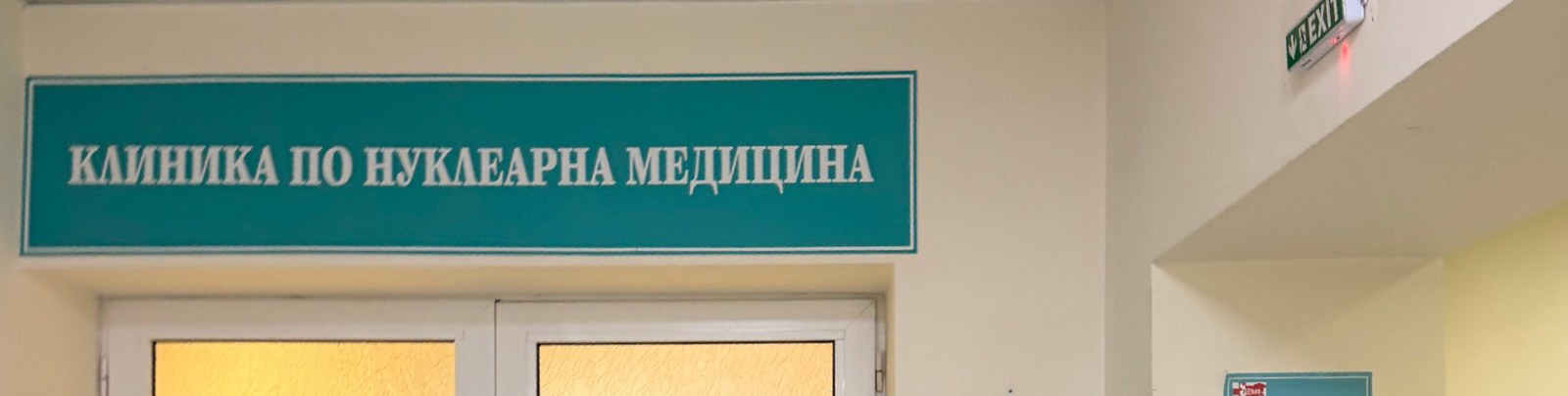
Sign reading Clinic of Nuclear Medicine above the clinic doors at USHATO
Clinic of Nuclear Medicine, USHATO
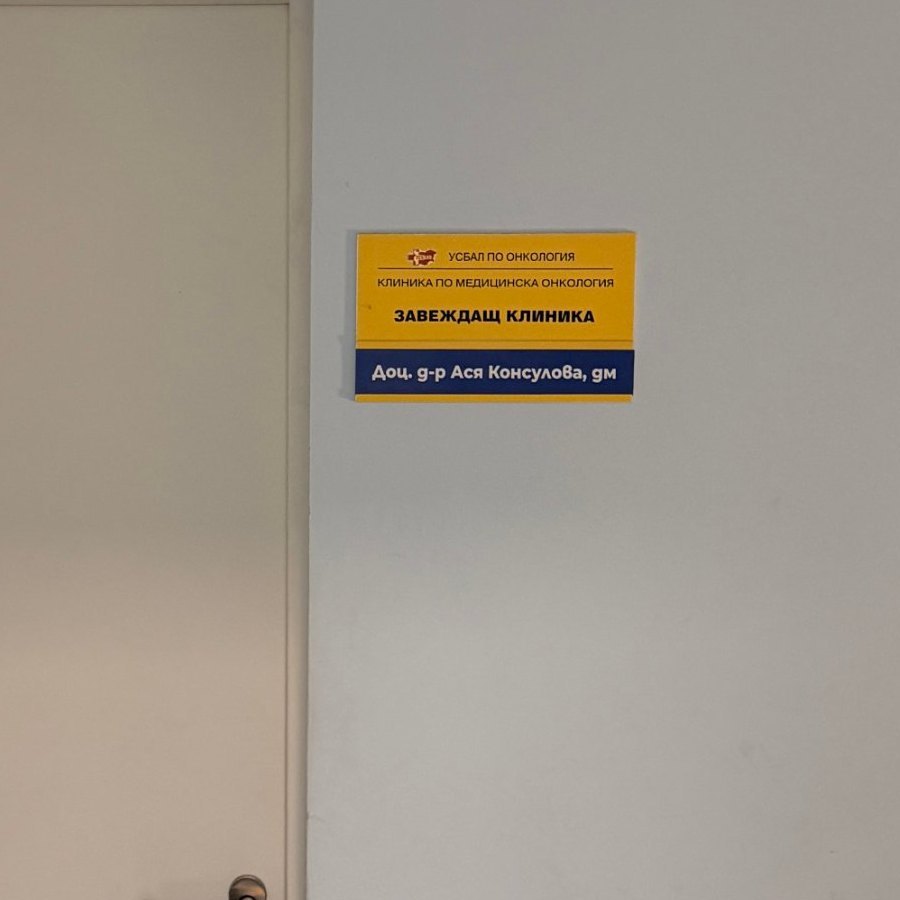
Office sign for the Head of the Clinic of Medical Oncology, Assoc. Prof. Dr. Assia Konsoulova
Clinic of Medical Oncology — headed by Assoc. Prof. Dr. Assia Konsoulova, a member of her supervisory committee
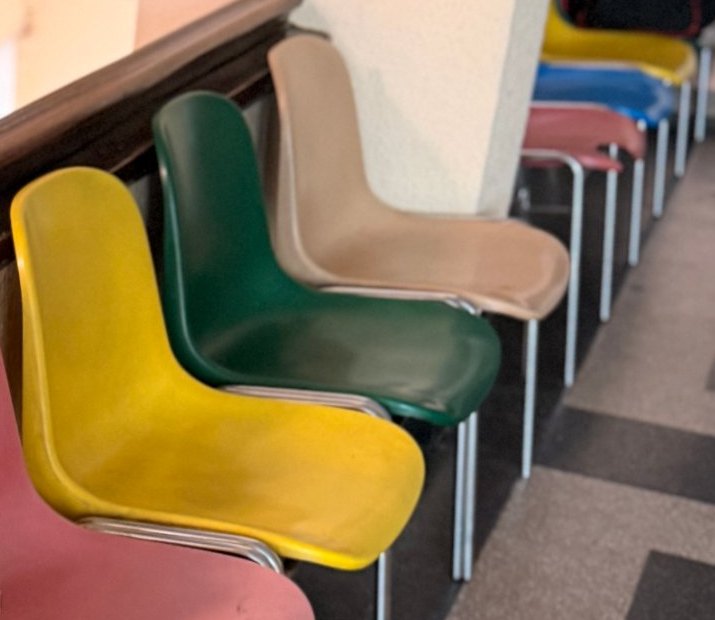
A row of colourful chairs in a hospital waiting area
Waiting areas where caregivers sit beside a spouse during treatment
Future directions

Bringing older caregivers into view

So many older adults care for a husband or wife with cancer around the clock, largely unseen. Her research is a case for health systems to support them as deliberately as they support patients.

  1. iMeasuring caregiving timeDeveloping standardised, objective tools to capture the time spouses spend on care — distinct from shared household routines — to reduce recall bias and guide targeted support.
  2. iiRecognising emotional careBuilding valid instruments for the emotional labour of cancer caregiving across cultural settings, and examining how it affects caregiver outcomes.
  3. iiiScreening and support in oncology settingsRoutine screening of caregivers at high risk of burden and distress, with respite, dyadic coping and psychoeducational interventions.
Publications & scholarly contributions

Publications

Peer-reviewed publications

2022 Care provided by older adult caregivers to a spouse in active cancer treatment: a scoping reviewSupportive Care in Cancer, 30(11), 8679–8688

Donison V, Toledano N, Sigal A, McGilton KS, Alibhai SMH, Puts M.

A scoping review, guided by Arksey and O’Malley and refined by Levac et al., of what is known about the impact of caregiving on health-related quality of life, psychological distress, burden and positive aspects of caregiving among older adults caring for a spouse with cancer. Of 8,131 abstracts screened, 17 studies were included; providing care was associated with negative effects on quality of life, burden and distress, and time spent caregiving was rarely examined.

DOI: 10.1007/s00520-022-07176-2

2022 Care provided by older adults in active cancer treatment to a spouse: a scoping reviewJournal of Geriatric Oncology, 13(6), 784–787

Donison V, Yang H, Ayala AP, Wills A, Alibhai SMH, Puts M.

A scoping review of the care that older adults who are themselves receiving active cancer treatment provide to a spouse.

DOI: 10.1016/j.jgo.2022.01.003

Doctoral dissertation · 2026

Examining the Experiences of Older Adult Caregivers Who Care for a Spouse in Active Cancer Treatment: A Convergent Parallel Mixed Methods Study

Lawrence S. Bloomberg Faculty of Nursing, University of Toronto

Manuscripts from the dissertation

The type and amount of care provided by older adult caregivers to a spouse with cancer: results from a mixed methods study
Prepared for publication

Examining caregiver burden, health-related quality of life, psychological distress, and positive aspects of caregiving of older caregivers to a spouse with cancer
Prepared for publication

What began with the courage to return to school became a lifelong pursuit of knowledge, discovery and purpose.

Contact

Academic correspondence and collaboration

Enquiries regarding research collaboration, speaking, academic appointments and media are welcome.

Email v@valentinadonison.com
© 2026 Valentina Donison, RN, MN, PhD · Toronto, Canada Geriatric oncology · Caregiver research · Nursing science